✦ A self-improving paradigm

UNIVERSAL
PRAGMATISM

A way for people to solve shared problems together, using evidence and technology, for the health, happiness and wellbeing of all living things.

Anyone can take part. UP checks its own results and corrects itself as it learns. It keeps power spread out, so that no person, group or machine gathers control over everyone else. And it never crosses a small set of floors that protect people and the living world.

Look around you

What exists does not reach the people who need it

The lights come on and there is food in the shops. Look a little further, past your own street, and keep looking for a minute longer than is comfortable. Every figure below is footnoted in the book to its source.

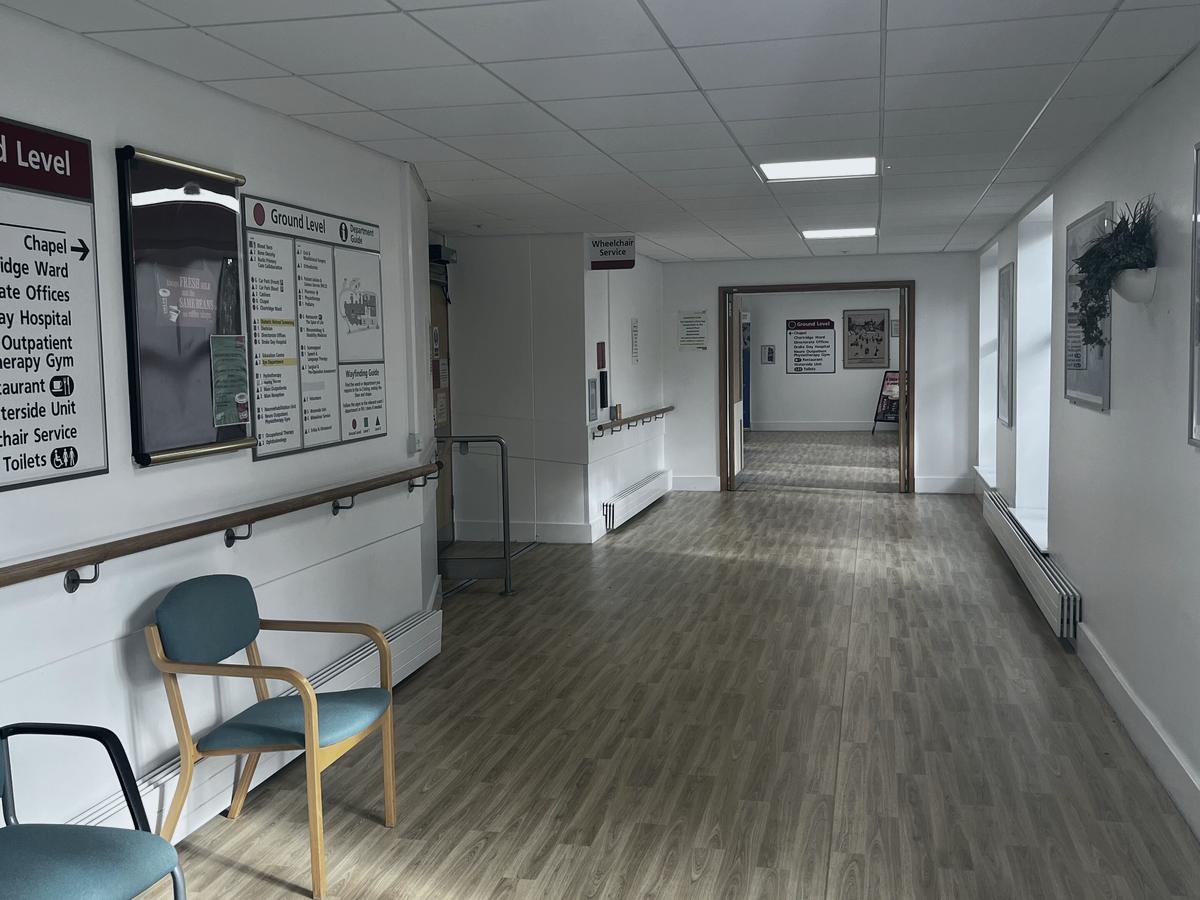
An empty hospital corridor

Children under five who die on an ordinary day

≈13,000

4.9 million young children died in 2024. The WHO and UNICEF say most of those deaths could have been prevented with proven, low-cost care.

Source
WHO and UNICEF, "Progress in reducing child deaths slows as 4.9 million children die before age five" (18 Mar 2026), on the UN Inter-agency Group for Child Mortality Estimation report. The daily figure is the yearly figure divided by 365, an average.
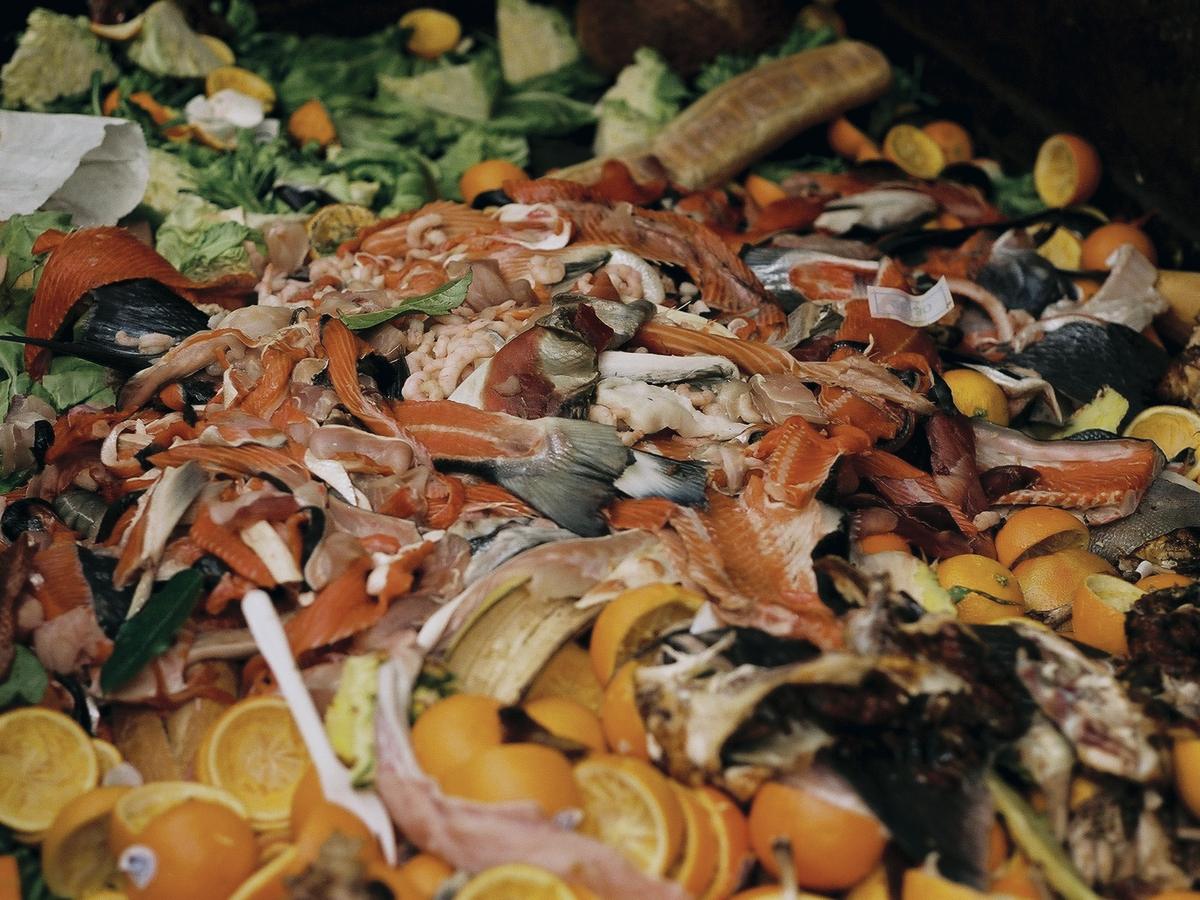
Discarded fruit and vegetables

People who went hungry in 2025 (estimate)

645million

Yet the world's households throw away more than a billion meals a day, and on paper the global food supply comes to more than 3,000 kilocalories for every person alive, every day. The food exists.

Source
FAO, IFAD, UNICEF, WFP and WHO, The State of Food Security and Nutrition in the World 2026 (range 608 to 696 million). UNEP, Food Waste Index Report 2024. FAO, "Food balance sheets 2010–2023" (2025): food supply available per person, not what people eat.
An elderly man alone on a park bench

People in Japan who died alone at home in 2025

76,941

In an economy of more than $4 trillion a year, more than 7,000 of them were not found until a month or more after death. Worldwide, the WHO estimates that one person in six is lonely, and that loneliness accounts for about 871,000 deaths a year.

Source
National Police Agency of Japan, people living alone who died at home, 2025 (April 2026). WHO Commission on Social Connection, From loneliness to social connection (30 June 2025); model-based estimates.
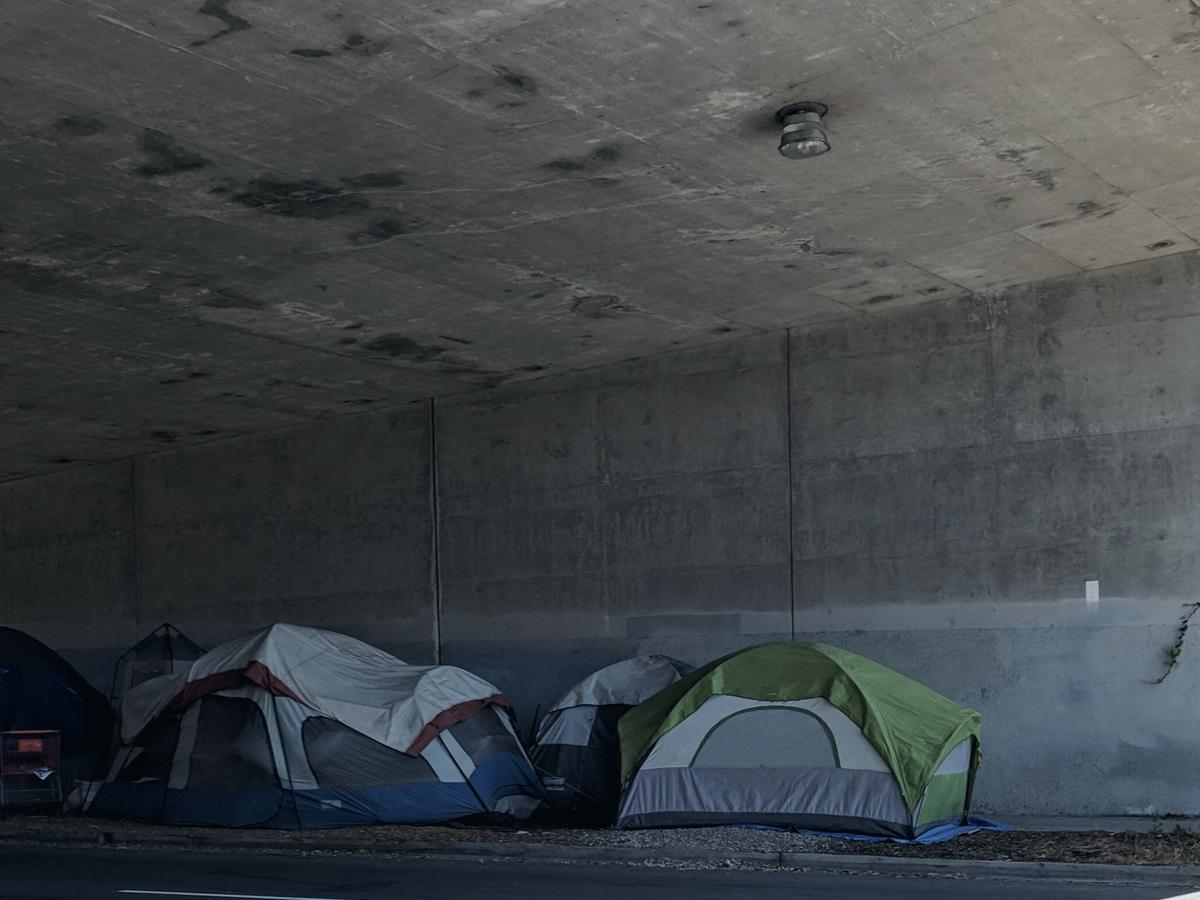
Tents pitched under a concrete overpass

People living in extreme poverty in 2024, on less than $3 a day

824million

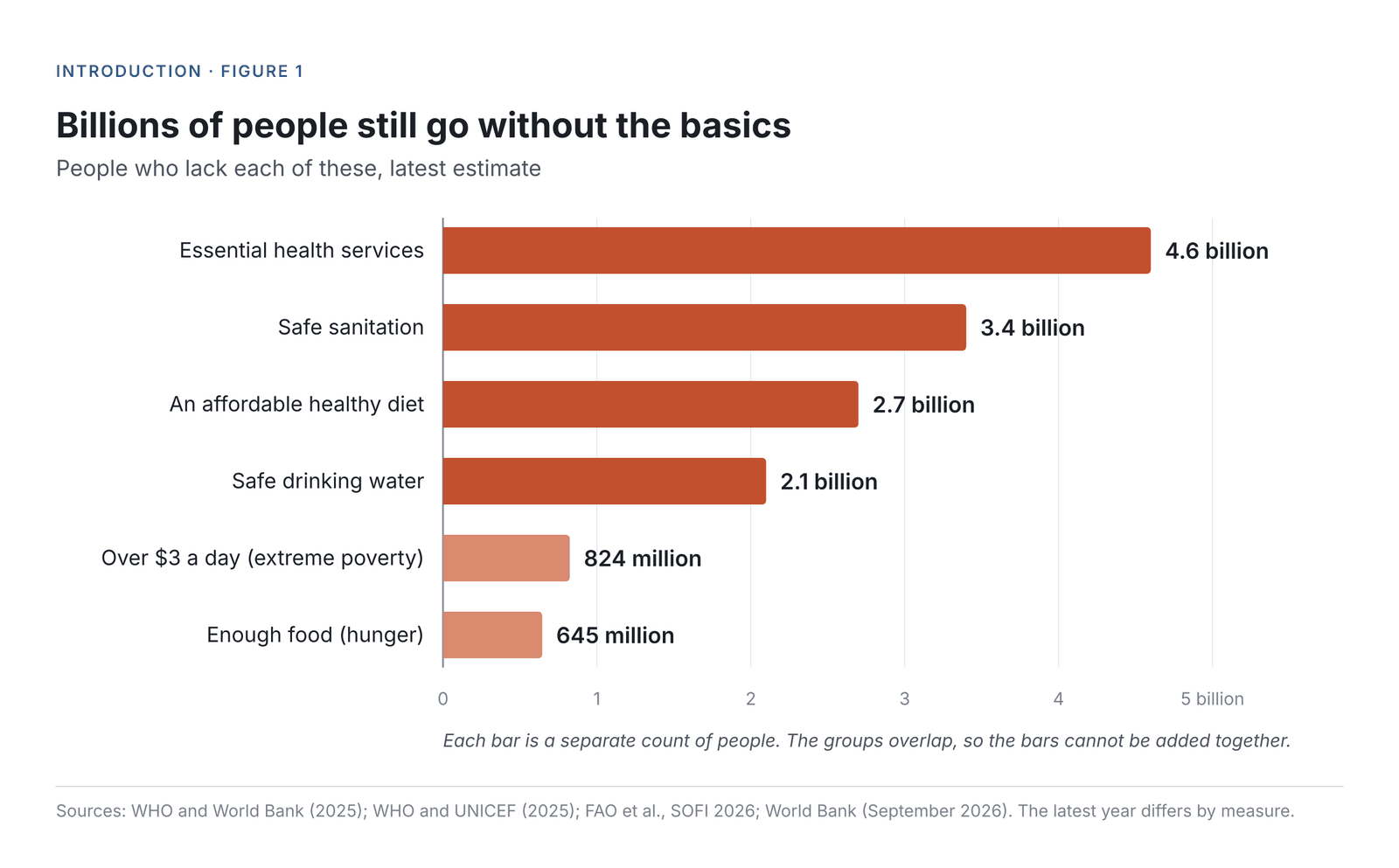
About 2.1 billion people lack safely managed drinking water, 3.4 billion lack safe sanitation and some 4.6 billion cannot get essential health services. Each is something everyone needs and the world already knows how to provide.

Source
World Bank, "September 2026 Global Poverty Update" ($3.00 a day, 2021 PPP). WHO and UNICEF, drinking water, sanitation and hygiene 2000–2024 (26 Aug 2025). WHO and World Bank, UHC Global Monitoring Report 2025 (6 Dec 2025).
Bar chart: 4.6 billion people lack essential health services, 3.4 billion safe sanitation, 2.7 billion an affordable healthy diet, 2.1 billion safe drinking water, 824 million live in extreme poverty and 645 million go hungry.
The number of people who lack each basic need, by the latest estimate for each. The groups overlap, so the bars cannot be added together.

It would be easier if there were a villain to blame. Mostly there isn't. The farmers, nurses, officials and business owners inside the current system are, for the most part, doing their jobs as the system defines them. That is exactly the trouble: a system made of decent people can still produce outcomes most of those people would call wrong.

The current system is very good at solving the problems that pay someone, and much weaker at the ones that don't. New antibiotics show how. The world needs them kept in reserve and used sparingly, which is exactly what makes them poor business. One company did the work anyway: Achaogen won approval for a new antibiotic in June 2018, the drug brought in $0.8 million in its first year, and in April 2019 the company filed for bankruptcy. Nobody in that story behaved badly. The incentives pointed the wrong way.

There has been real progress, and the book credits it. But on the planet's limits and on most of the major issues of our time, the problems are growing faster than the reforms. It does not have to be this way.

Sources: Review on Antimicrobial Resistance, final report (May 2016); Achaogen, Form 10-K for 2018 and Form 8-K (15 Apr 2019). The book's Chapter 2 measures the race issue by issue.

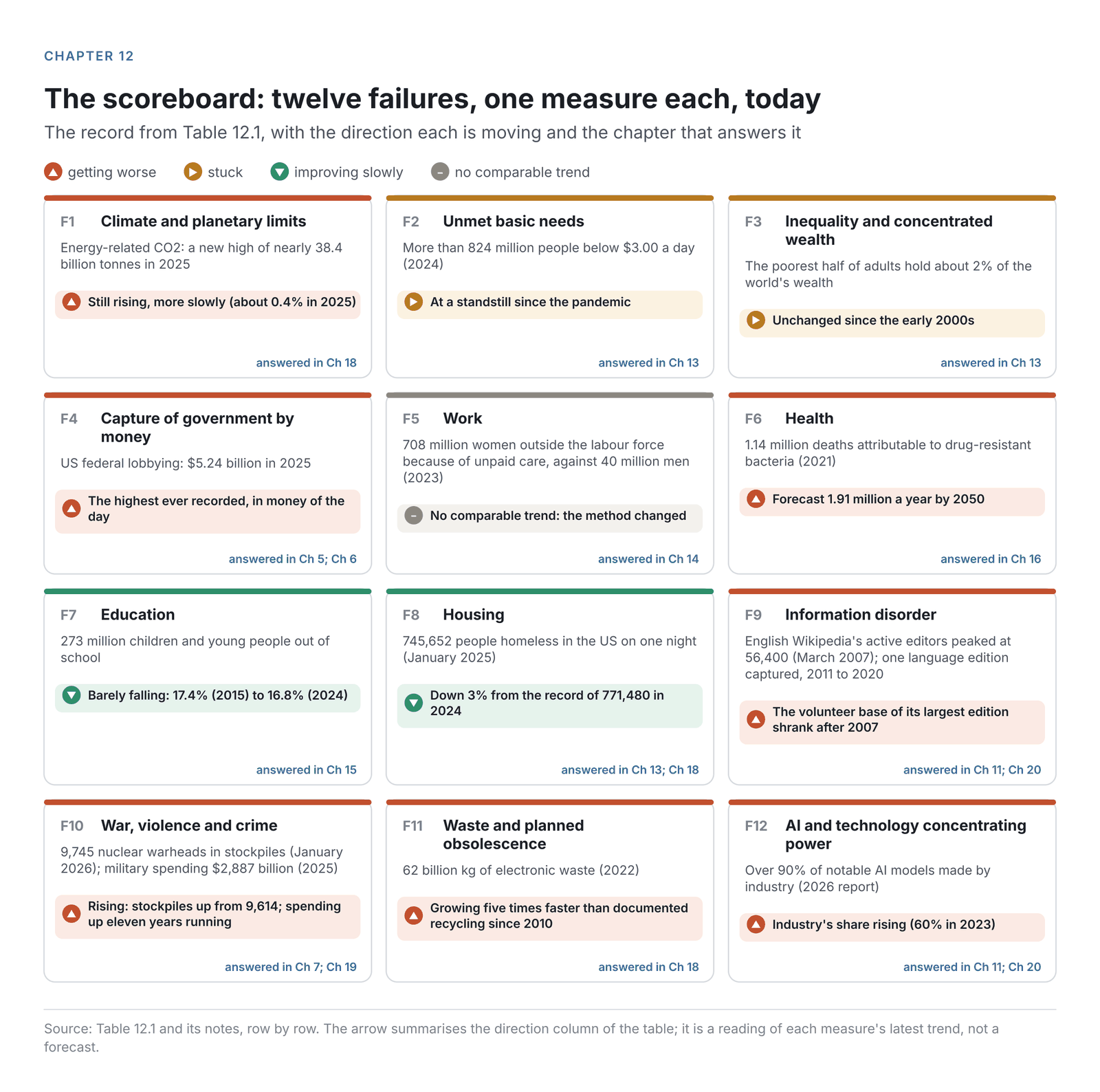
The scoreboard: twelve failures of today's system, one measure each, with the direction each is moving and the chapter of the book that answers it.
The scoreboard: twelve failures, one measure each, today, with their direction and the chapter that answers each (Chapter 12).

What UP is

UP in one sentence

Universal Pragmatism is a way for people to solve shared problems together, using evidence and technology, for the health, happiness and wellbeing of all living things: open to everyone, correcting itself as it learns, keeping power spread out, and never crossing a small set of floors that protect people and the living world.

If that sounds abstract, it shouldn't for long, because you have almost certainly used something built this way. When you look something up on Wikipedia, you rely on strangers who solved a shared problem together, in the open, and checked one another's work. UP takes that way of working and extends it from shared knowledge to the whole of shared life: meeting needs, making decisions and caring for the living world.

Instead of asking what will pay, UP asks what will improve the health, happiness and wellbeing of each person, counted one by one, so that no one's wellbeing is traded away to raise an average. Its main activity is inventing solutions together. Anyone may take on a problem, propose a fix with the evidence for it, and see it tested against the alternatives, and a solution rises because it works, whether or not a funder or a boss would have backed it.

01

Anyone can take part

Anyone may take part in any problem, and the people it affects decide its outcome. There are no offices to hold: work is shared out, not owned, so no one gathers power by holding a position.

02

Evidence proposes; people decide

Problems are named, measured and offered as work. Solutions are proposed with their evidence, tested and compared, and a better idea replaces a worse one. Matters of taste are never made rules for others.

03

It corrects itself

Every failure of UP is fed back into it as a new problem to solve, so it keeps improving without revolution. Every part of UP, its core included, can be improved through its own method.

04

Power is kept spread out

Concentration of power in any form, whether wealth, position, information, access, expertise or machines, is treated as a standing danger. Everyone watches for it; the threat is never declared gone.

05

Floors no decision may cross

Everyone's basic needs and protected freedoms, the living world's capacity to recover, the right to leave, a truthful shared record, freedom of the mind and a fair hearing.

06

Technology serves; people decide

AI and automation coordinate, propose and do work. They never govern: people can always correct, pause or switch them off. No single AI system or operator controls coordination.

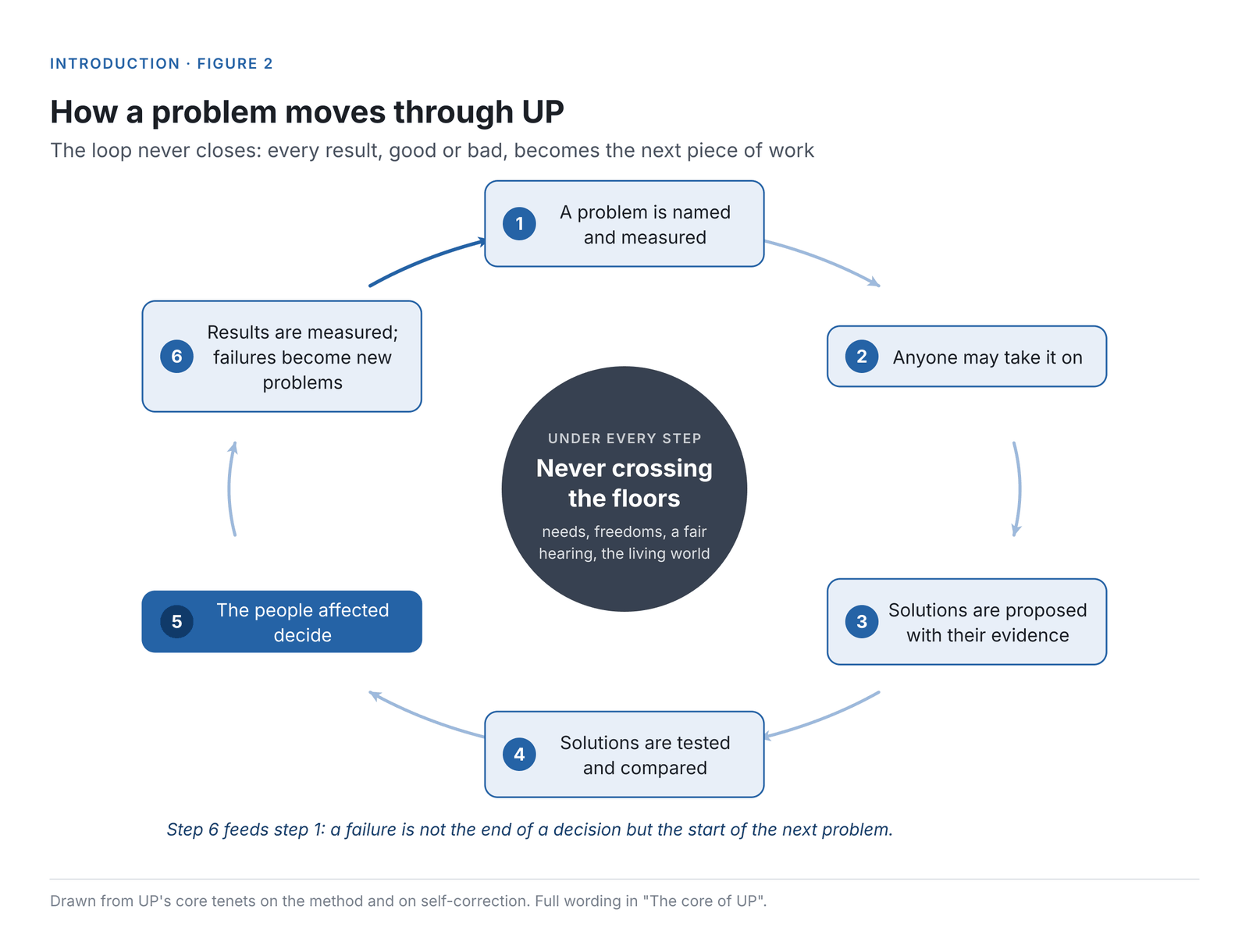
A loop of six steps: a problem is named and measured; anyone may take it on; solutions are proposed with their evidence; solutions are tested and compared; the people affected decide; results are measured and failures become new problems. At the centre: never crossing the floors.
The loop at the heart of UP. Every step is open to anyone, and no step may cross the floors at the centre.

Watch

Universal Pragmatism on film

Thirty seconds of real photographs: the problem, then the people already solving it street by street.

Part One · Is this real?

More of what already works

None of this requires inventing a civilisation from scratch. UP is less a revolution than a way of naming the best of what civilisation already does, so that we get more of the good and less of the harm.

1977 – 1980

A disease ends

In October 1977 Ali Maow Maalin, a 23-year-old hospital cook in Merca, Somalia, became the last person on Earth to catch smallpox naturally. The WHO estimates smallpox killed about 300 million people in the twentieth century alone. It was certified eradicated on 9 December 1979. Maalin later worked for the WHO's polio eradication campaign in Somalia.

Source
WHO, 40th anniversary of smallpox eradication (13 Dec 2019); WHO Director-General, World Health Assembly address (21 May 2023).

1985 – 2009

Every country, one treaty

In May 1985 three British Antarctic Survey scientists reported large ozone losses over Antarctica. In September 1987 governments agreed the Montreal Protocol, and by 2009 every country had joined. If current policies hold, the ozone layer is expected to recover by around 2040 over most of the world and around 2066 over Antarctica.

Source
Farman, Gardiner and Shanklin, Nature 315 (1985); UN Secretary-General, SG/SM/12449 (2009); UNEP and WMO, ozone assessment (9 Jan 2023).
A corridor of servers in a data centre

Since 1991

"Just a hobby"

500 of 500

In August 1991 a 21-year-old student, Linus Torvalds, shared the code of a "hobby" operating system so others could use, study and improve it. Since November 2017, Linux has run every one of the world's 500 fastest supercomputers.

Source
TOP500.org list statistics, Nov 2017 – Jun 2026; Torvalds, post to comp.os.minix (25 Aug 1991).
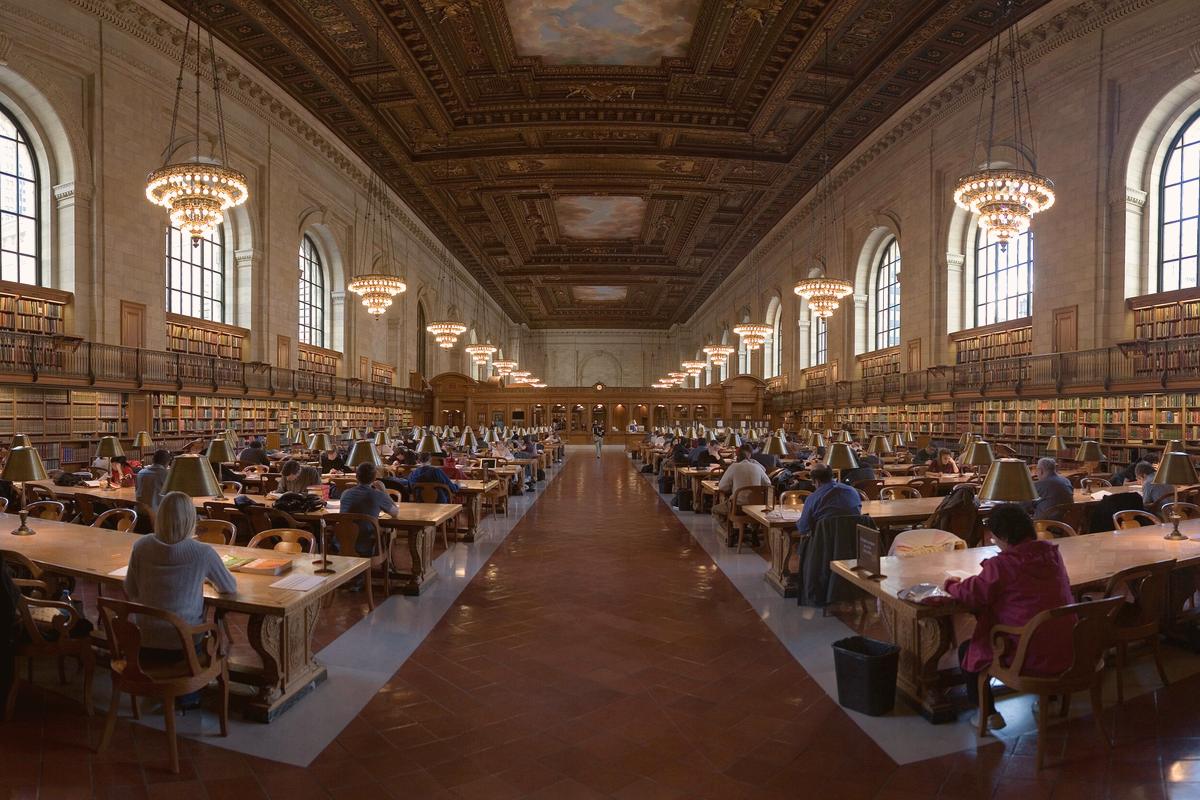
A great library reading room full of people

Since 2001

An encyclopaedia by strangers

68 million+

Articles in 348 languages, written largely by volunteers, and viewed about 508 million times a day over the past decade. Public libraries in the United States alone recorded more than 800 million visits in 2023.

Source
Wikimedia Meta-Wiki, "List of Wikipedias" (31 Oct 2026); Pew Research Center, "Wikipedia at 25" (13 Jan 2026); IMLS Public Libraries Survey FY2023.
A farmer harvesting among tall crops

Today

Owned by the people who use them

3 million

More than 12% of humanity belongs to one of the world's 3 million co-operatives, businesses owned and run by their own members. In Valencia, farmers who share irrigation channels still settle disputes at a public water tribunal every Thursday at noon. Elinor Ostrom won the 2009 Nobel Memorial Prize in Economic Sciences for showing how shared resources can be managed by the people who use them.

Source
International Co-operative Alliance, "Facts and figures" (members of several co-operatives may be counted more than once); UNESCO; Royal Swedish Academy of Sciences (12 Oct 2009).
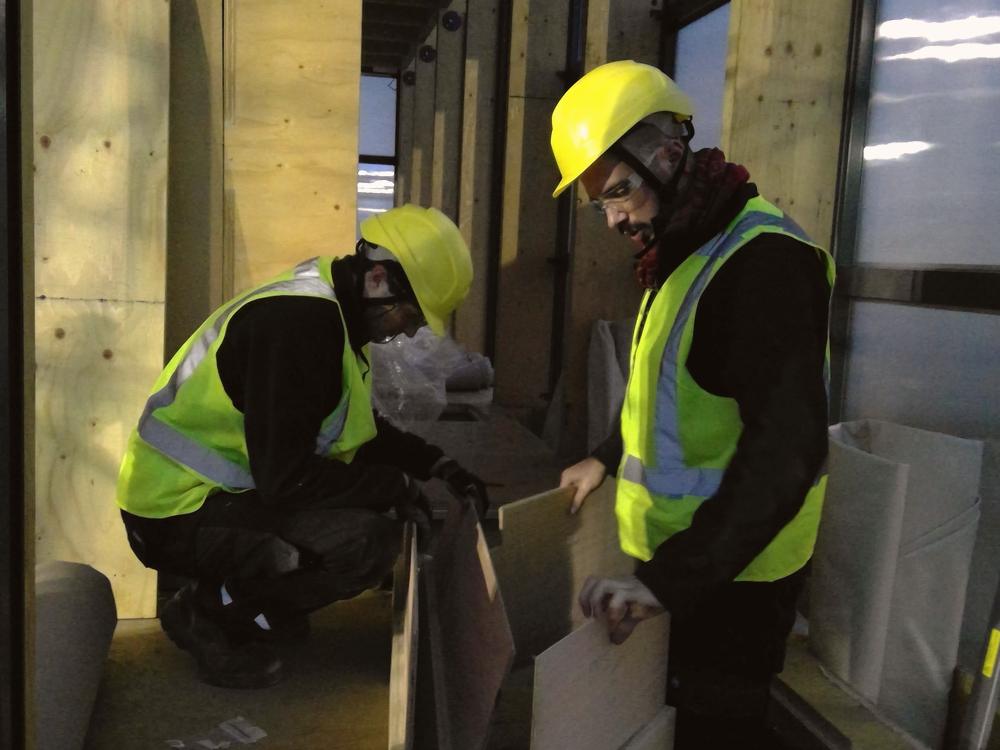
Workers installing solar panels

2024

The tools exist

91%

Of new renewable power projects commissioned in 2024 were cheaper than any new fossil-fuel alternative. AI can find patterns, match people to problems and help coordinate work, while people keep the decisions.

Source
IRENA, Renewable Power Generation Costs in 2024, press release (22 July 2025).

People want to solve problems because they are there, often without reward or punishment and sometimes in spite of them. In one study, 22 of 24 infants aged 18 months helped a struggling adult in at least one of ten tasks, though the adult never asked and no one rewarded them; in a later study, toddlers given a material reward for helping were less likely to help again. When disaster strikes, research finds panic rare and helping the norm: people run toward it.

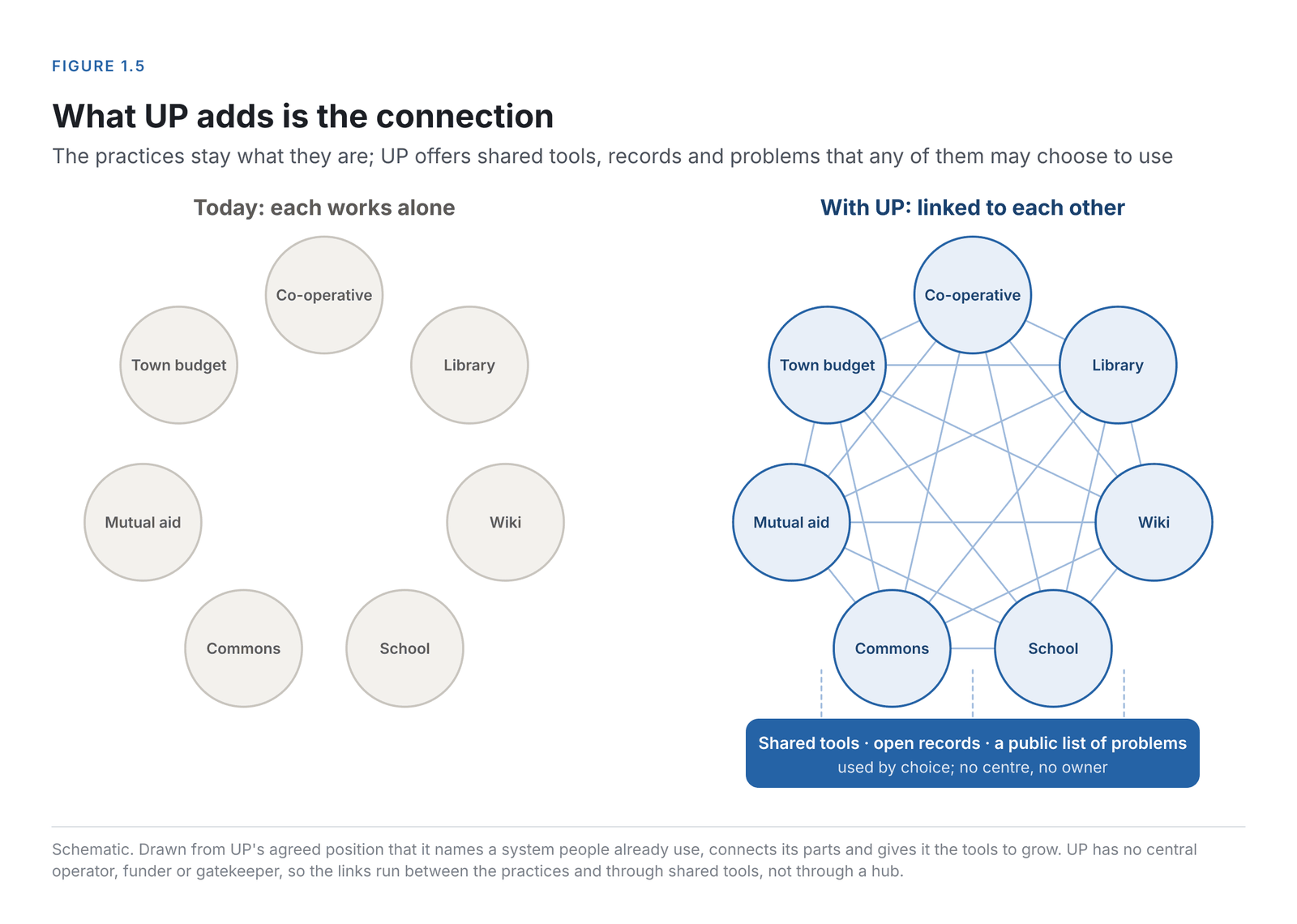
None of these needed a revolution. Each is a case of people solving a shared problem together, openly and with evidence. And each is held back in the same ways: it works largely alone, it lacks the tools to connect with the others, and it has to compete inside a system built for other goals. UP names this existing system, connects its parts and gives it the tools to grow.

Sources: Warneken and Tomasello, Science 311 (2006) and Developmental Psychology 44 (2008); Quarantelli, Disaster Research Center (1993).

Today: co-operatives, libraries, wikis, schools, commons and mutual aid each work alone. With UP: linked to each other through shared tools, open records and a public list of problems, used by choice, with no centre and no owner.
What UP adds is the connection. The practices stay what they are; UP offers shared tools, records and problems that any of them may choose to use.

Clearing away the labels

What UP is not

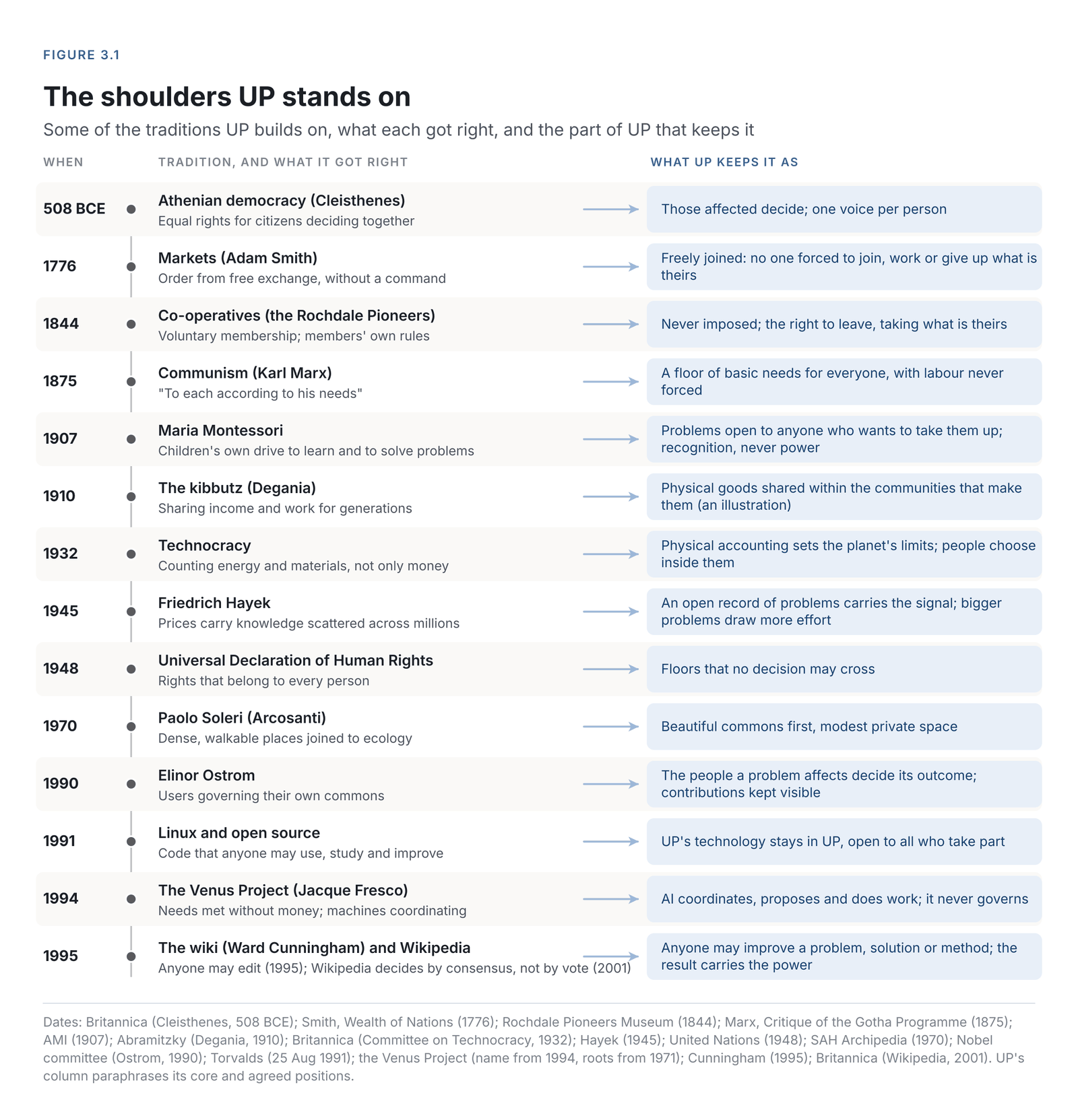
People meeting UP for the first time often reach for a familiar label. UP is not any of them, and it is built, openly, on what many traditions got right.

Not communism or a central plan

Because UP talks about meeting everyone's needs, it is easy to mistake for state socialism. But it has no central plan and no state that owns everything. Power is kept spread out, no one is forced to join, and each person controls their own information.

Not abolishing money or government overnight

Money, companies and governments made large-scale cooperation possible and served a great purpose. UP keeps such shared arrangements for as long as they serve people's health, happiness and wellbeing, and replaces them gradually, wherever technology can do their job without obvious downsides.

Not rule by machines or experts

AI coordinates, proposes and does work, but it never governs, and people can always correct it, pause it or switch it off. There are no offices to hold. Where work needs skill, skill is shown by open standards anyone can work toward, and the people a problem affects decide its outcome.

Not a utopia, a revolution or a leader

UP's aim can never be fully reached, though every step toward it counts, and it promises no world without problems. It is never imposed: no one has to join, to work or to give up what is theirs. It has no leader or founder at the top; every part of it can be improved through its own method.

A timeline of traditions UP builds on, from Athenian democracy and markets to co-operatives, Montessori, the commons, open source, the Venus Project and the wiki, with what each got right and the part of UP that keeps it.
The shoulders UP stands on: some of the traditions UP builds on, what each got right, and the part of UP that keeps it (Chapter 3).

Part Two · What is UP?

The core: ten tenets

A few core ideas make chemistry what it is; ten make UP what it is. Below is the core in its settled words. Examples elsewhere are possibilities, not directives: the people who take part decide the rest.

Definition

Universal Pragmatism is a way for people to solve shared problems together, using evidence and technology, for the health, happiness and wellbeing of all living things: open to everyone, correcting itself as it learns, keeping power spread out, and never crossing a small set of floors that protect people and the living world. It takes the way people already build shared knowledge together and extends it to the whole of shared life: meeting needs, making decisions and caring for the living world.

T1The aim: the health, happiness and wellbeing of all living things⌄

UP aims at the health, happiness and wellbeing of all living things. The aim is a chosen direction, not a scientific discovery and not a promise: it can never be fully reached, and every step toward it counts. For people it is measured person by person, not as a total, so no one's wellbeing is traded away to raise an average.

T2The method: shared problem solving with evidence⌄

Everything in UP runs through one method. Problems are named, measured and offered as work to anyone willing to take them on, whether or not they are affected; the people a problem affects decide its outcome. No problem, solution or method belongs to the person who raised it: anyone may update, reframe or improve it. Solutions are proposed with their evidence, tested and compared, and a better idea replaces a worse one. Every claim that guides shared action can be tested and is open to being proved wrong. Work on the roots of problems is worth the most, but a problem can be worked from any angle. Facts are checked, unknowns become shared work, and matters of taste are never made rules for others. Evidence proposes; people decide.

T3Self-correction: nothing is final, including this⌄

Every failure of UP is fed back into it as a new problem to solve, so it keeps improving without revolution. Every part of UP, these tenets included, can be improved through its own method. UP is judged against both today's system and the ideal it aims at: the ideal shows the direction and the gap still to close, and today's record shows whether UP is already doing better. Downsides, risks and fringe problems are named openly and treated as work, never as reasons to keep a status quo that fails so many.

T4Open participation: anyone may take part; those affected decide⌄

Anyone may take part in any problem, and the people it affects decide its outcome. There are no offices to hold: work is shared out, not owned, so no one gathers power by holding a position. Where work needs skill, skill is shown by open, testable standards that anyone can work toward and anyone can propose to change, and education is open to everyone, at every age, so anyone can gain the skills any work requires.

T5Power kept spread out⌄

Concentration of power, in any form (wealth, position, information, access, expertise or machines), is treated as a standing danger. People tend to gather power and to hand it to whoever seems accomplished, and history shows few good endings. Everyone in UP watches for concentrations of power and spreads them out again. The threat is never declared gone; it is watched and answered.

T6Floors that are never crossed⌄

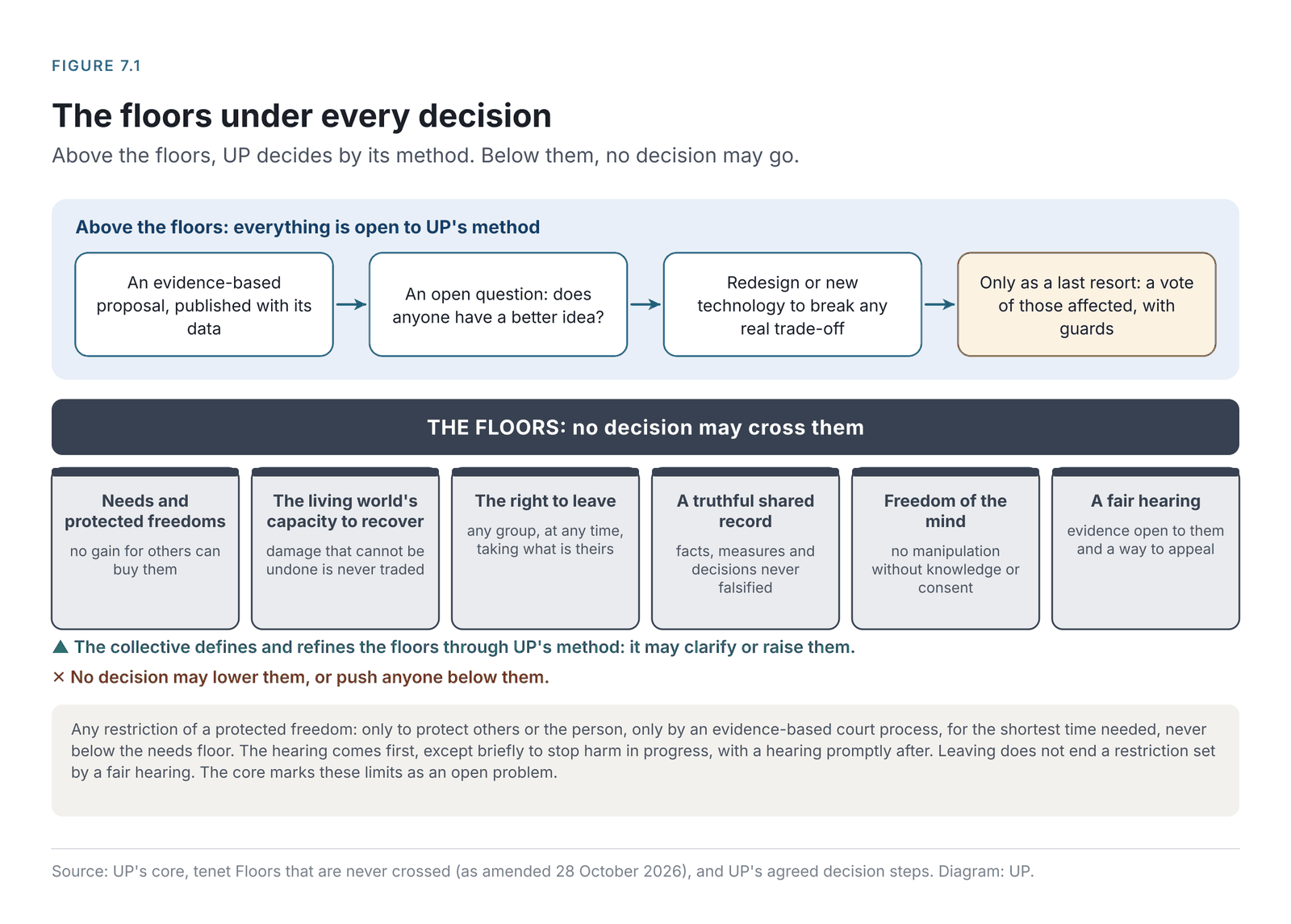
UP keeps a set of floors that no decision may cross: everyone's basic needs and protected freedoms, which no gain for others can buy; the living world's capacity to recover, so damage that cannot be undone is never traded for a short-term need; the right to leave any group or community at any time, taking what is theirs; a truthful shared record, so facts, measures and decisions are never falsified; freedom of the mind, so no one's thinking is manipulated without their knowledge or consent; and a fair hearing, so no one's freedom is restricted without a fair, evidence-based hearing, with the evidence open to them and a way to appeal. UP guarantees needs, not every want. The collective defines and refines the floors through UP's method; it may clarify or raise them, but no decision may lower them or push anyone below them. As a starting example for the collective to refine: needs such as food, water, shelter, health care, education and connection; freedoms such as thought, belief, speech, movement and privacy.

A protected freedom such as movement may be restricted only to protect others or the person, only through an evidence-based court process, for the shortest time needed, and never below the needs floor. The hearing comes first, except briefly, to stop harm in progress, with a hearing promptly after. Leaving a group or community does not end a restriction set by a fair hearing. These limits are an open problem: they are the best that can be imagined now, and UP is built to find better and better solutions. Above the floors, everything is open to the method.

T7Reality over fiction⌄

Decisions rest on real resources, real needs and measured outcomes. Shared fictions (money, corporations, governments, borders) made large-scale cooperation possible and served a great purpose. UP keeps a fiction while it serves health, happiness and wellbeing, and replaces it gradually where technology can do its job without obvious downsides.

T8Open systems, shared knowledge, private persons⌄

The rules, code, records, decisions and reasons of UP are public, so anyone can check them. UP's technology (the knowledge, code, data and designs UP produces) stays only in UP: everyone taking part in UP may use, study and improve it, and no one may enclose it. Each person controls their own information and chooses what to share. Openness helps people find problems, but it will not find all of them, so UP also names the risks that openness alone cannot catch and keeps working on them.

T9Technology serves; people decide⌄

AI and automation coordinate, propose and do work. They never govern: people can always correct, pause or switch them off. No single AI system or operator controls coordination: the AI systems UP uses are open, more than one, checked against each other, and watched for concentrated power like everything else. Because an AI may one day be shown to have experiences of its own, UP studies the question carefully and would extend its aim to any being shown to feel.

T10Freely joined, ethically grown⌄

UP is never imposed. No one is forced to join, to work or to give up what is theirs. It grows by being useful, building on what people already do, and it acts only by ethical means. A means is ethical when it serves the health, happiness and wellbeing of all and crosses none of the floors; UP never starts harm against anyone. What counts as ethical is defined and refined by the collective through UP's method.

Like everything in UP, the core can be improved through UP's own method; the floors may be clarified or raised, never lowered. Whoever defines the idea does not rule over it.

Above the floors, everything is open to UP's method: an evidence-based proposal, an open question, redesign or new technology, and only as a last resort a guarded vote. Below them are six floors no decision may cross.
The floors under every decision. Above the floors, UP decides by its method; below them, no decision may go (Chapter 7).

The method

How UP decides when people disagree

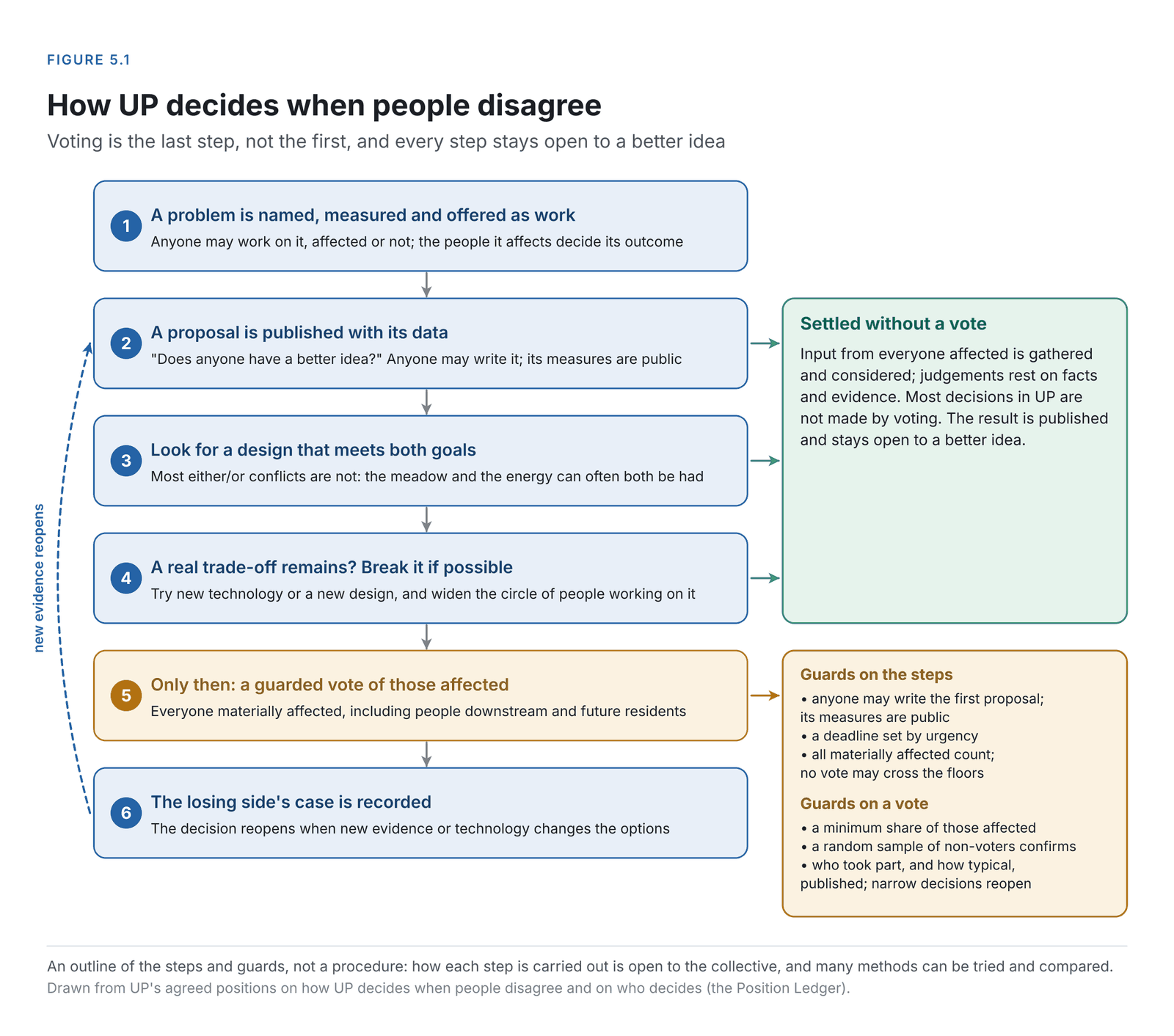
Some assume "evidence proposes; people decide" means a vote on everything; others that data settles every argument. It means neither. Voting is the last step, a last resort, not a forbidden one.

  1. A proposal, published with its dataAnyone may write the first proposal. It ends with an open question: does anyone have a better idea? People can always add options.
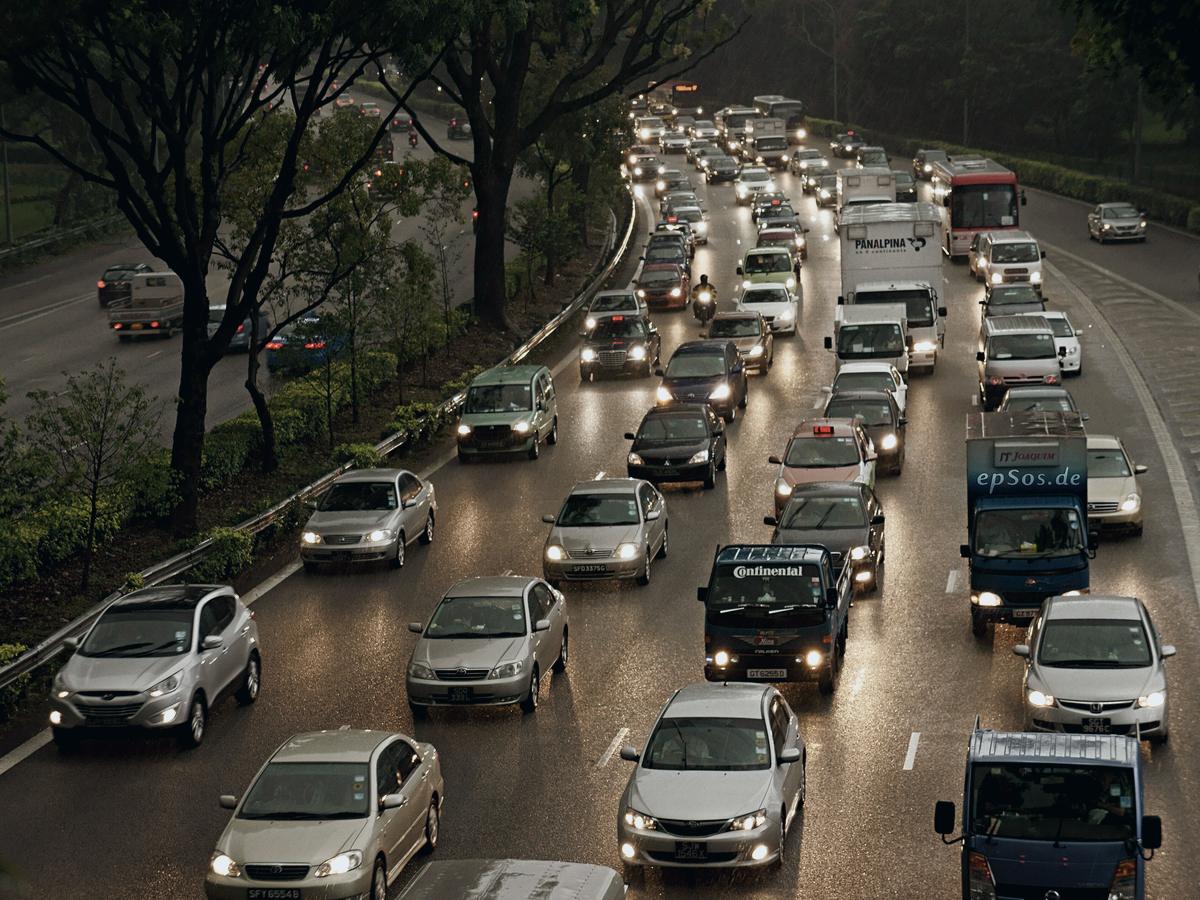
  2. Look for a design that meets both goalsMost conflicts that look like either/or are not. A busy highway through Banff National Park looked like a choice between traffic and wildlife; 44 crossing structures and fencing cut wildlife collisions by more than 80%.
  3. Break the trade-off, and widen the circleTry new technology or a new design, and bring in more people. Sometimes the person who breaks a deadlock is someone nobody thought to ask.
  4. Only then, a guarded vote of those affectedEveryone materially affected has a say, including people downstream and future residents, and no vote may override the protected freedoms. A minimum share must take part, a random sample of those who did not is asked to confirm, and a decision made by a narrow group reopens automatically after a set time.
  5. The losing side's case is keptEvery vote records it, and the decision reopens when new evidence or technology changes the options.
One way it could run · an illustration

A town needs more electricity, and the best site for a solar field is a meadow families walk in. Someone posts the proposal with its data and asks for better ideas. One person points to warehouse roofs; another proposes panels mounted high enough for the meadow to stay a meadow underneath; a town downstream points out the drainage would foul its stream. The second idea meets both goals, the third becomes part of the design, and no vote is needed.

How UP decides when people disagree: six steps from naming a problem to recording the losing side's case, with the guards on the steps and on a vote.
How UP decides when people disagree. The steps and their guards are agreed; how each step is carried out is open to the collective, and many methods can be tried and compared (Chapter 5). Source for Banff: Parks Canada.
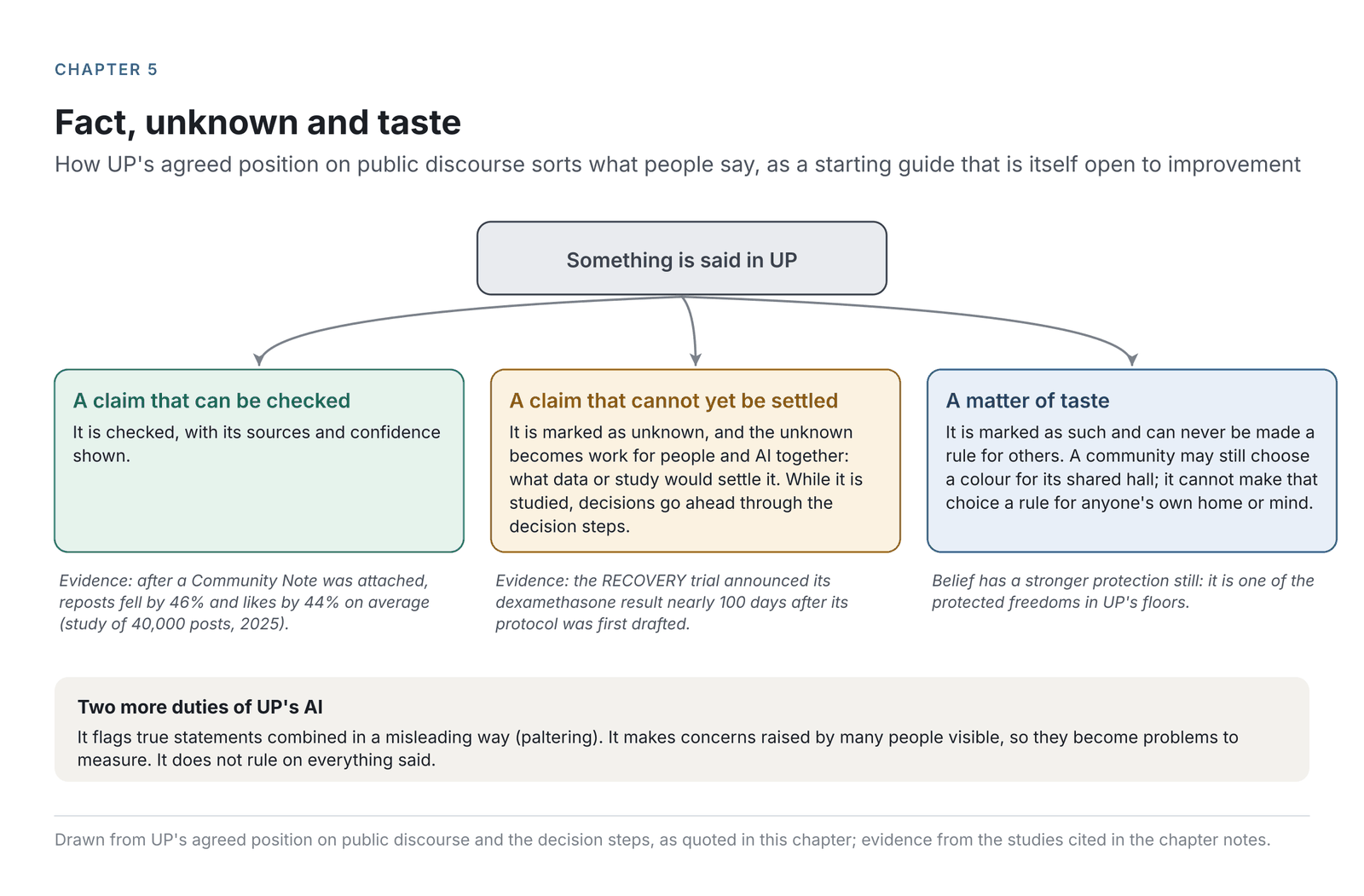
Something said in UP is sorted three ways: a claim that can be checked is checked with its sources; a claim that cannot yet be settled is marked unknown and becomes shared work; a matter of taste is marked as such and never made a rule for others.
Fact, unknown and taste: how UP keeps the conversation honest. A starting guide that is itself open to improvement (Chapter 5).

Part Three · How could it run?

UP at work: one need, followed through

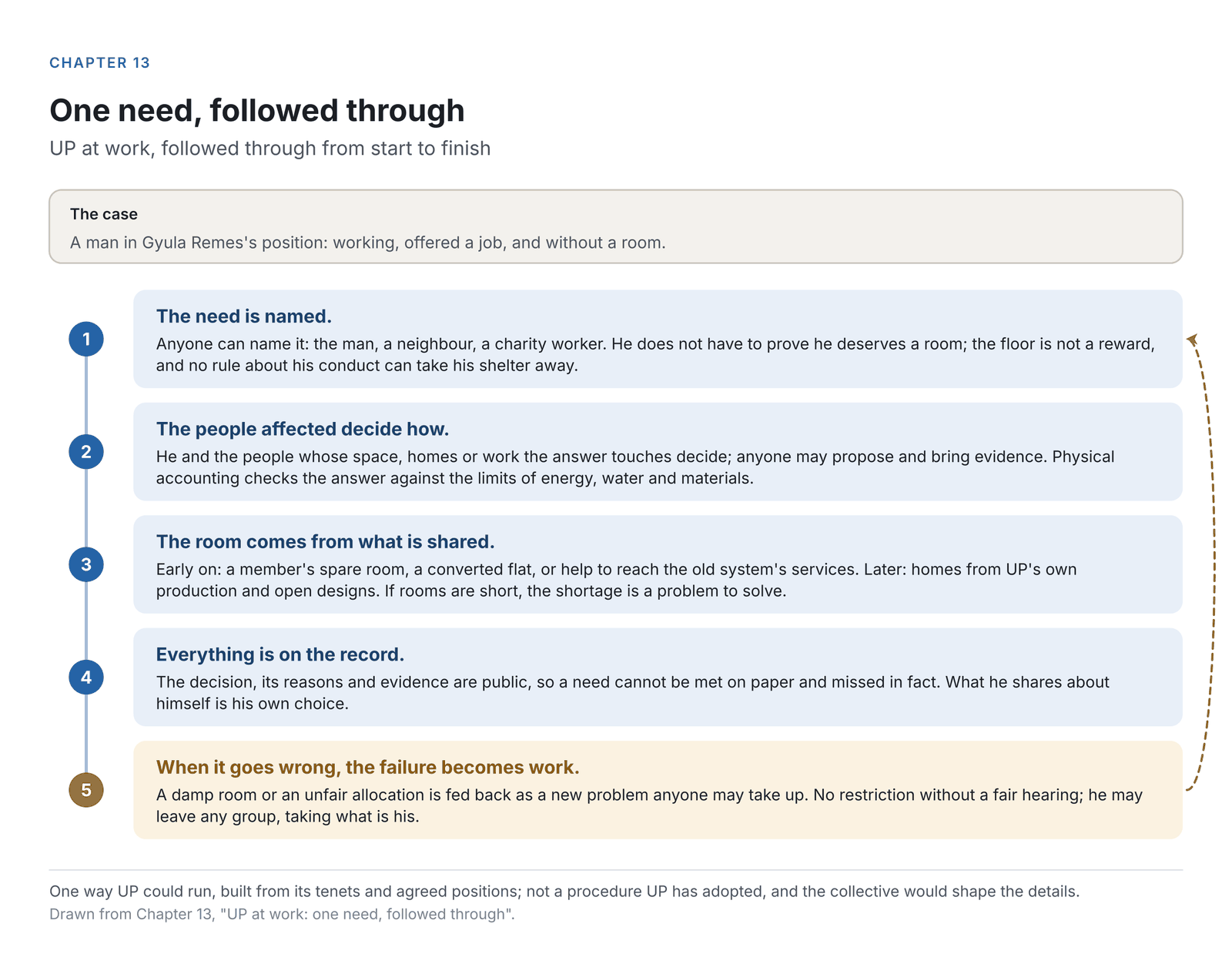
Take a man who is working, has been offered a job, and has no room. What follows is one way UP could run, built from its tenets and agreed positions. It is not a procedure UP has adopted; the people who take part would shape the details.

  1. The need is namedHe can name it himself; so can a neighbour or a stranger. He does not have to prove he deserves a room: everyone's basic needs are a floor, not a reward, and the floor does not depend on work or conduct. What he shares about himself is his own choice.
  2. The people affected decide howHe is affected, and so are the people whose space, homes or work the answer would touch. Anyone else may help and bring evidence. Physical accounting checks the answer against real limits of energy, water and materials.
  3. The room comes from what is sharedEarly on, it may be a member's spare room or help to reach the current system's services. Later, homes would come from UP's own production and from buildings whose owners chose to convert them. No one is forced to give up what is theirs.
  4. Everything is on the recordThe decision, its reasons and the evidence are public, and the community publishes the needs it met and what it used. A truthful shared record is a floor, so a need cannot be met on paper and missed in fact.
  5. When it goes wrong, the failure becomes workA damp room or an unfair allocation is fed back as a new problem anyone may take up. No one's freedom is restricted without a fair hearing, and he may leave any group, taking what is his.
One need, followed through, in five numbered steps, ending with a dashed arrow back to the start: when it goes wrong, the failure becomes work.
One need, followed through: UP at work, step by step (Chapter 13). Chapters 14 to 19 follow a task, a learner, an illness, a disagreement, a wind turbine and a harm the same way.

The difference is not that people in UP would care more. It is what the room would rest on: not on paying for it, on keeping a shelter's rules or on a budget the next policy can cut, but on a floor no decision may lower and a record that shows whether the floor was met. Whether UP can meet that floor, for how many people and how soon, has to be shown, and the book sets it out stage by stage.

How UP grows

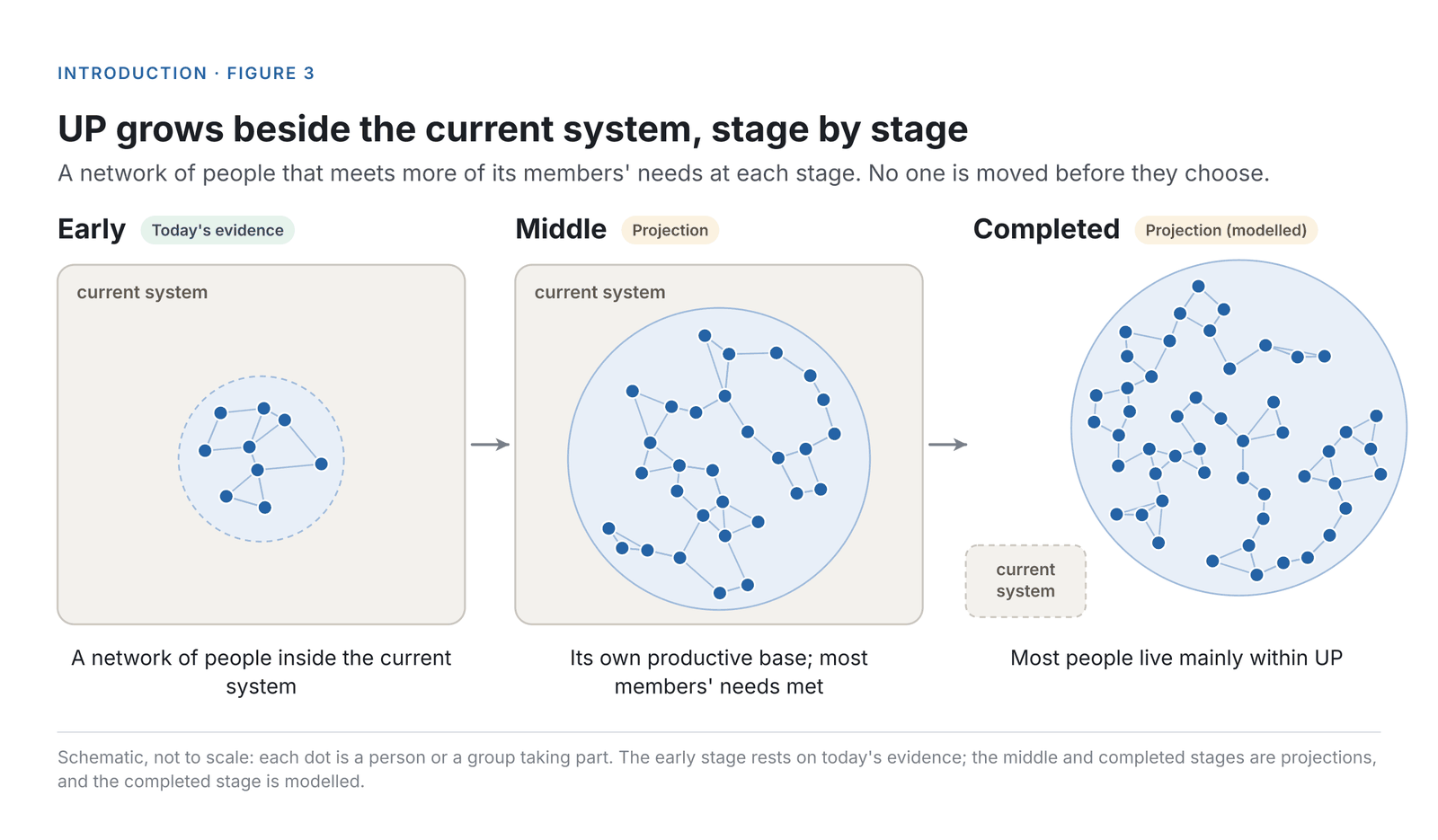
Beside the current system, stage by stage

UP grows alongside the current system rather than replacing it in one stroke. It is never imposed and never tears the current system down; it grows by being useful.

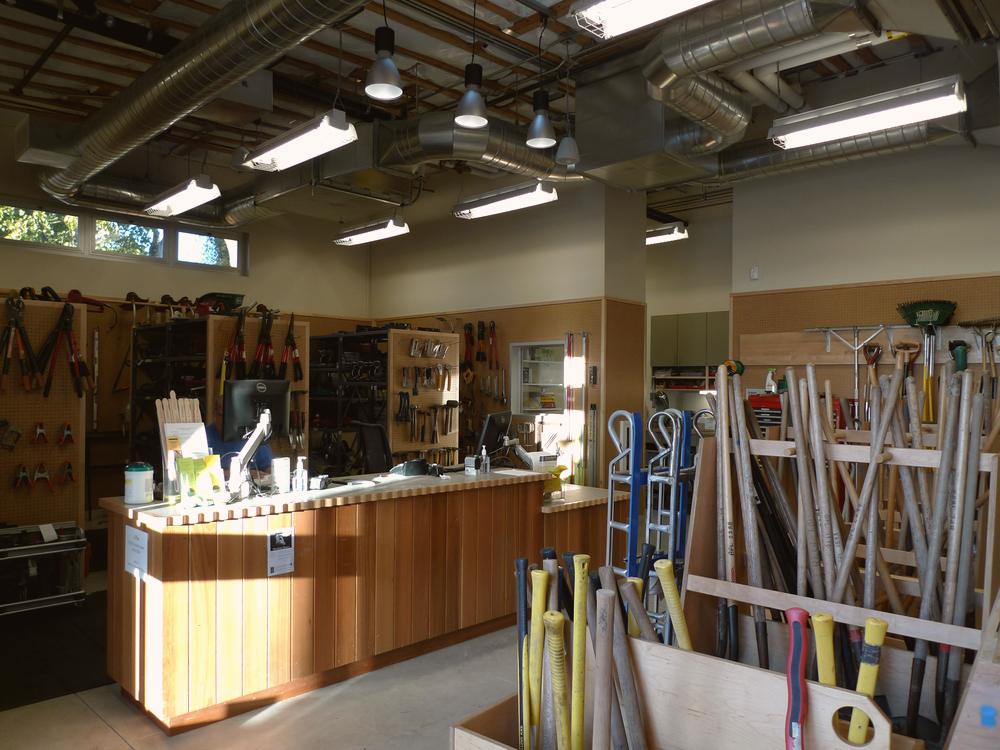
Shelves of tools in a tool lending library
Today's evidence

Early

A network of people inside the current system. Members keep their jobs and homes, and add things they do together through UP's method: a food co-operative, a tool library, a repair table, an open course. Each is already common somewhere in the world.

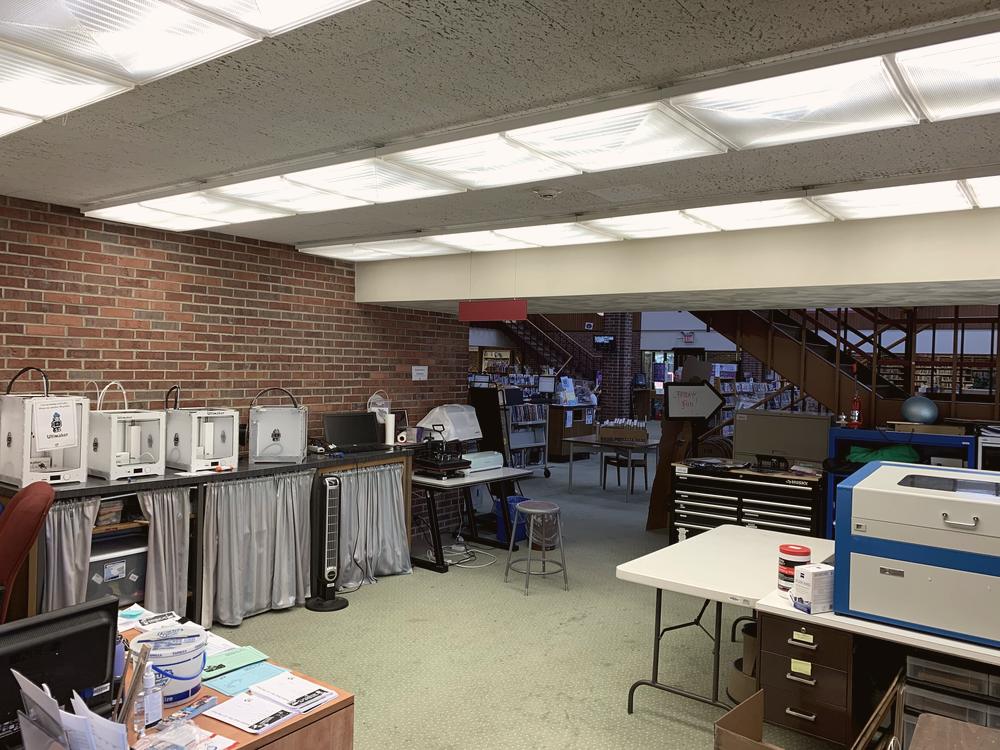
A community maker space with machines
Projection

Middle

UP has its own productive base, and most of its members' needs are met from what it produces. A reasoned projection from mechanisms the book cites, labelled as such.

Aerial view of a forest with a path running through it
Projection · modelled

Completed

Most people live mainly within UP. The book labels this stage "modelled": a projection, not a forecast of size or timing.

Three panels: early, a small network inside the current system; middle, its own productive base where most members' needs are met; completed, most people living mainly within UP.
UP grows beside the current system, stage by stage. A schematic, not a forecast of size or timing.

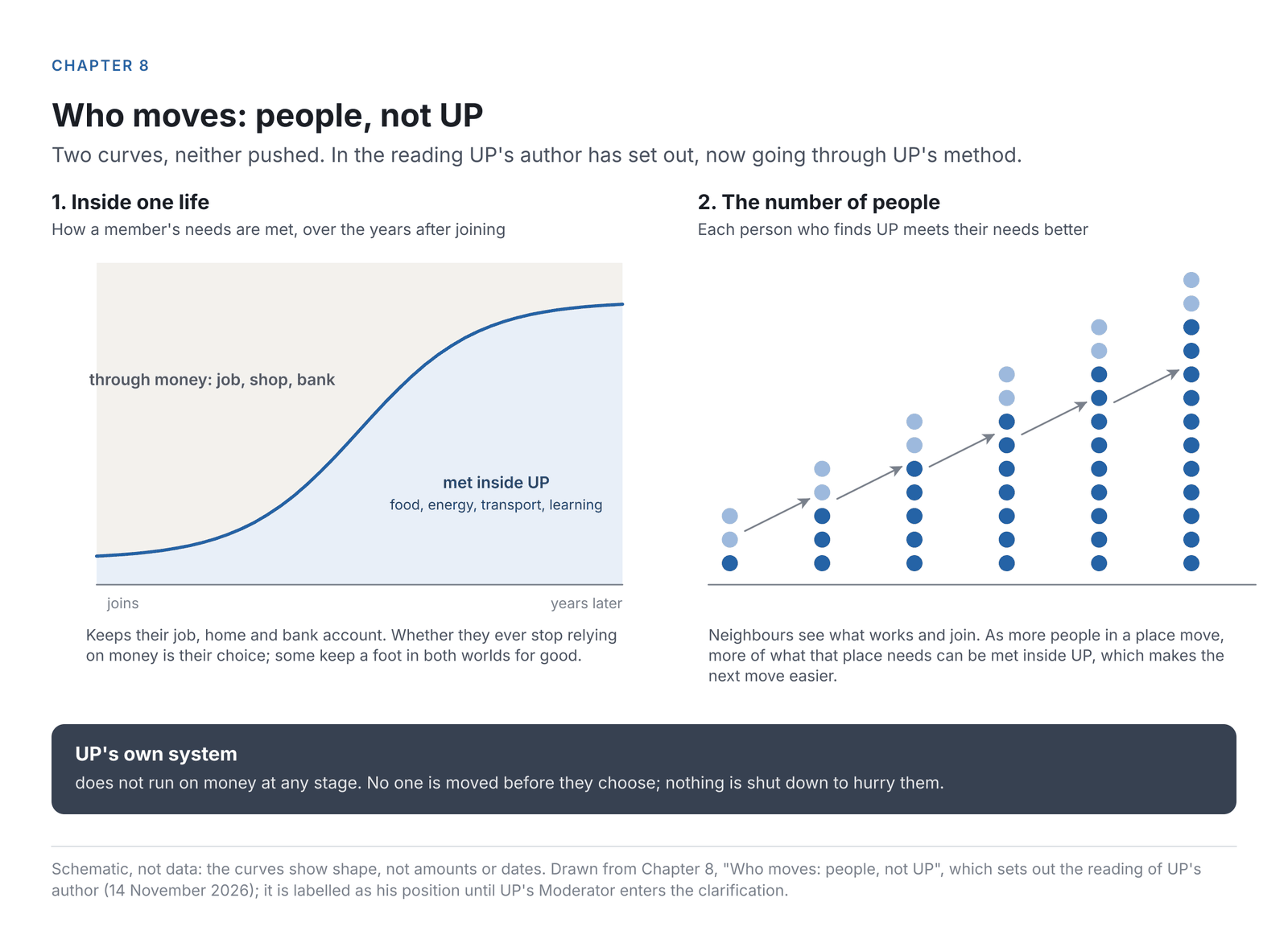
Who moves: people, not UP

In the reading UP's author has set out, now going through UP's own method, UP's own system does not run on money at any stage. What moves gradually is people. Think of two curves. Inside each life, a person who joins keeps their job, home and bank account; at first UP meets a small part of their needs, then more, and whether they ever stop relying on money is their choice. And in the number of people: each person who finds UP meets their needs better is one more adding to what UP can make and share. Neither curve is pushed. Nobody is moved before they choose.

How quickly UP grows is not anyone's to decide. What matters is that it keeps the quality of its core values and tenets as it grows, so the growth stays healthy, and that the aim is a transition, not a collapse. At every stage UP is held to two standards at once: the ideal it aims at, which shows the direction and the distance still to go, and the record of the current system, which shows whether UP is already doing better.

Two curves: inside one life, needs met through money fall as needs met inside UP rise; and the number of people grows as neighbours see what works and join. UP's own system does not run on money at any stage.
Who moves: people, not UP. A schematic, not data. Drawn from Chapter 8, which sets out the reading of UP's author (14 November 2026), labelled as his position until UP's Moderator enters the clarification.

The strongest doubts

Hard questions, honest answers

UP names its downsides, risks and open problems in the open and treats them as work, never as reasons to keep a status quo that fails so many.

Question"If no one has to work, no one will."

It deserves a serious answer: people do respond to incentives.

⌄

In UP no one is forced to work, and neither merit nor a share of necessary work ever decides whose needs are met. The evidence shows that money is not the only reason people work. Wikipedia's English edition alone holds more than seven million articles written by volunteers. The United Nations and the International Labour Organization estimate that about 2.1 billion people do volunteer work every month. The men's shed movement, begun in Goolwa, South Australia, in 1993, grew to more than 2,500 sheds in 12 countries. A 1999 review of 128 studies found that rewards people expect, and that feel like control, weaken the interest they bring to a task themselves.

What UP does not claim: none of that shows that unpaid work would be enough to run a whole society. So a community does not assume it: it publishes a labour budget, the work that needs doing, and asks.

Hands shaping wood at a craft bench
Question"Who will do the work nobody wants?"

Someone has to clean the drains and sit up through the night with the dying.

⌄

Unwanted work is posted and asked for, and any shortfall is met with visibility, recognition, fair rotas and automation. One possible way, offered as such, is a published rota people sign up for. Work that is important but unwanted is a target for automation. Sharing like this has a long record: on the kibbutz, kitchen duty rotated; at Twin Oaks in Virginia, when too few people signed up for dishwashing, the credit it earned was raised until enough did.

In UP a rota is an expectation, not a law, and it never affects whether anyone's needs are met. Whether feedback and support, without penalties, can do the work that sanctions did elsewhere is measured, not assumed. Who does care and unpleasant work, fairly, is named as open work.

Two mechanics repairing a part at a workbench
Question"Won't someone seize power?"

Power gathers in every movement, open ones included.

⌄

UP does not claim to abolish that pull. It removes the office that power usually gathers around, so work is shared out, not held, and skill is shown by open standards. The people a problem affects decide its outcome. Each real person has one voice. Time and money earn recognition, never power. The record of every decision is public, everyone is a watcher, and anyone may leave, taking what is theirs.

The threat is never declared gone; it is watched and answered.

A community meeting with a presenter
Question"Won't the AI end up in charge?"

"Coordination" can sound like rule by machine.

⌄

In UP, AI proposes and people decide. AI and automation coordinate, propose and do work, but they never govern: people can always correct, pause or switch them off, and the AI may not assign work or compel anyone. No single AI system or operator controls coordination; the systems are open, more than one, checked against each other and watched for concentrated power like everything else. Working fallbacks without the AI are kept.

Ask of any system that uses AI or your data: can I see the rules and the reasons? Can a person overrule it? Does it still work if the AI is switched off?

A corridor of servers in a data centre
Question"Isn't this utopian?"

A promise that cannot be kept loses the people it is meant to help.

⌄

UP does not promise a world without problems. What persists is named openly as work, because no system works by magic and suffering continues even while its biggest causes fall. It promises needs, not every want. It does not promise that its machines will be free of error, that openness will catch every abuse, or that power will stop trying to gather; it promises to watch, to make abuse much harder and more visible, and to treat what it finds as work.

And it does not ask to be judged against perfection, but against both the current system and the ideal it aims at, counting wellbeing person by person.

Hands repairing a phone at a repair café

Sources for this section are in the book's Chapters 6, 11 and 14 and the Conclusion: Wikipedia statistics; UN Volunteers and ILO; Australian Men's Shed Association; Deci, Koestner and Ryan (1999); Twin Oaks Community.

The book · version one

Universal Pragmatism, in three parts

An Introduction, twenty-four chapters, a Conclusion and the back matter, free to read below. It is a living text: the effort of one independent researcher so far, meant to become a wiki anyone can improve.

The book keeps four kinds of statement apart, so you always know which one you are reading:

What UP is

Its definition and ten core tenets. When the text rests on one, a note names it.

The case, with evidence

Real cases, real numbers, sources you can check. Where an argument reaches beyond today's evidence, it says so.

How UP could run

Illustrations, set apart and marked as one way it could work. Never instructions.

Questions left open

Left on purpose for the people a problem affects to settle together through UP's method.

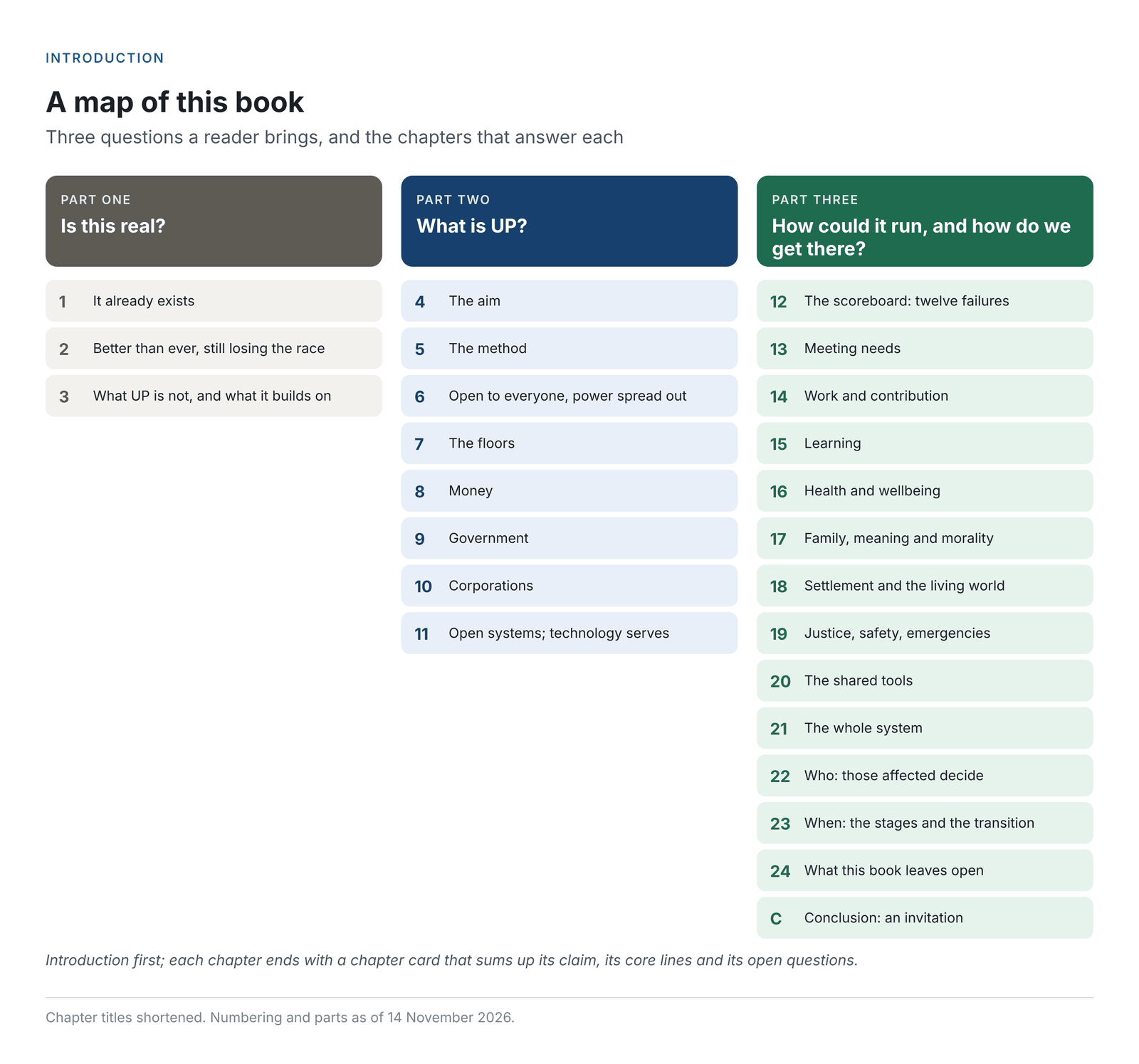
A map of the book: three parts, the question each answers, and its chapters.
A map of the book: three parts, the question each answers, and its chapters. Every chapter ends with a card: its claim, a rule of thumb and questions to check yourself.

Introduction

Why we must get this right

Start here

⌄
  • Intro

    Why We Must Get This Right

    Does this proposal help people solve a shared problem together, openly, without anyone falling below the floor?

Part One

Is this real?

Chapters 1–3

⌄
  • 1

    It Already Exists: The Best of What Civilisation Does

    Before inventing something new, ask where it already works, and in how many other places.

  • 2

    Better Than Ever, and Still Losing the Race

    Ask three questions of any problem: is it getting better, is it getting better fast enough, and who gains if it stays?

  • 3

    What UP Is Not, and What It Builds On

    Ask of any tradition, and of UP: What did it get right? What harm did it do? Can I say no, leave taking what is mine, see every decision and its reasons, and change the rules?

Part Two

What is UP?

Chapters 4–11

⌄
  • 4

    The Aim: Health, Happiness and Wellbeing for All Living Things

    Ask of any measure: whose health, happiness and wellbeing does it count, whom does it leave out, and what happens when it becomes the goal?

  • 5

    The Method: Solving Shared Problems with Evidence

    Before anyone votes, ask: Is the proposal public, with its data? Has anyone found a design that meets both goals? Who is affected, and were they asked? Is this a fact, an unknown or a matter of taste?

  • 6

    Open to Everyone, Power Kept Spread Out

    Ask of any shared work: Who is doing it, within what scope and for how long? Who can see what they did? How could they be replaced? And who is affected, and so decides?

  • 7

    The Floors No Decision May Cross

    Before any decision, ask: does it push anyone below a floor, or trade away something that can never be restored? If so, look for another way.

  • 8

    Money: Why Its Jobs Can Be Done Without It, and How People Move Off It

    For any job money does in your life, ask: what is it standing in for, can that now be known or done directly, what does the evidence show, and would you choose to rely on the new way?

  • 9

    Government: Why Its Jobs Can Be Done by People Deciding Together, and How People Move Off It

    For any job government does in your life, ask: who is it standing in for, could the people affected now do it themselves, with evidence and under the floors, what does the evidence show, and would you choose to rely on the new way?

  • 10

    Corporations: Why Their Jobs Can Be Done Without Them, and How People Move Off Them

    For anything you get from a company, or do for one, ask: which of the six jobs is the company doing here, what does that job stand in for, is anything already doing it in the open without an owner, what does the evidence show, and would you choose to rely on it?

  • 11

    Open Systems, Private Persons; Technology Serves, People Decide

    Ask of any system that uses AI or your data: Can I see the rules and the reasons? Can a person overrule it? Does it still work if the AI is switched off? Who controls my data, and does anything about me leave it without my permission?

Part Three

How could it run, and how do we get there?

Chapters 12–24 and the Conclusion

⌄
  • 12

    The Scoreboard: Twelve Failures and Where Each Is Answered

    For any failure, ask: what is the measure, which way is it moving, who is working on it, and is a stand-in for the real world part of the cause?

  • 13

    Meeting Needs: Abundance Shown in the Open

    Is this a need or a want, is the scarcity physical, positional or made, and which job of a price is being replaced?

  • 14

    Work and Contribution: Asked For, Shared and Never Forced

    Is the work asked for, shared and visible, never forced, and is survival kept out of it?

  • 15

    Learning, Open to Everyone

    Does it teach, or does it do the work for the learner, and does it count what a person can do or only what they hold?

  • 16

    Health and Wellbeing

    Does the medicine reach the person who needs it, and is the condition behind the illness being met too?

  • 17

    Family, Meaning and Morality: Matters of Taste Are Never Rules

    Is this a matter of taste? Then it is never a rule for others.

  • 18

    Settlement and the Living World

    Can the damage be undone? If not, it is never traded. And does the decision count the real cost, or only the price?

  • 19

    Justice, Safety and Emergencies

    Is it open, evidence-based, and aimed at repair?

  • 20

    The Shared Tools: Information, Data and AI

    Can anyone check it, can anyone leave it, and does it still work if the AI is switched off?

  • 21

    The Whole System: Why the Parts Compound

    Ask of any proposal: Which other parts does it need, and which does it feed? What still works if it arrives late? Does it bring the decision closer to real resources and real needs?

  • 22

    Who: Everyone, and Those Affected Decide

    Who does this affect, and were they asked?

  • 23

    When: The Stages and the Transition

    Does this step keep the core intact while it grows?

  • 24

    What This Book Leaves Open, and How to Improve It

    Can it be tested? Then propose it.

  • End

    An Invitation

    The invitation: test it, improve it, try it.

Read the whole book

Universal Pragmatism, version one: the working manuscript as revised on 15 November 2026, in three parts, with every figure and footnote. 636 pages.

A working manuscript: the Introduction and Chapters 1 to 7 have been approved by the author; the later chapters are drafts still under his review, and corrections are being made. If you find an error, a weak argument or a better source, say so through Get involved.

If you have ten minutes, the rules of thumb above are the shortest way through the book.

Start today

It can begin with you, today

UP's early stage is not something to wait for. It begins wherever a few people take up a shared problem together through UP's method.

There is no fee to join and no office to hold. Work in UP is shared out, not owned, and every kind of work is open to everyone. No one is forced to join, to work or to give up what is theirs, and anyone may leave at any time, taking what is theirs.

  1. Read the coreRead the core of UP so that you know exactly what you are joining and what you are not.
  2. Choose "Get involved" and joinSay what you are good at and what you would like to help with. You do not need a qualification to begin. If you are not sure yet, say so, and change your answer whenever you like. You decide what information you give and how it is used.
  3. Take a first taskChecking a source in the book, mapping what your neighbourhood already shares, helping to set up a tool library, a repair table, a food co-operative or an open course, or teaching what you know. Pick one small task you can finish.
  4. Name a problem near youSomewhere close by there is a shared problem that nobody's department owns. Describe it, measure it if you can, and offer it as work. The people a problem affects decide its outcome, and anyone can help to solve it.
  5. Improve the textIf you find an error, a weak argument, a better source or a danger no one has named, propose the change. Finding and fixing it is UP working as intended.

Ask UP

Ask anything

Ask any question about what UP is, how it decides, how it could run, or what it does not claim.

Ask UP answers from version one of the book and names the chapters it draws on. It can still make mistakes: the book is the reference.

Suggested questions

Background